

Optimizing Water Operations
in Miami-Dade County
Public Innovation Challenge No. 8
Miami-Dade Innovation Authority (“MDIA”) seeks early-to-growth stage startup companies with innovative, technology-driven solutions that support circular resource recovery, increase innovation across water and sewer management, and enhance the existing capabilities of the Miami-Dade Water and Sewer Department (“WASD”). This challenge aims to accelerate the deployment of emerging technologies that could help the Department enhance water and sewer operations, reduce system disruptions and costs, and repurpose resources from waste streams. Collaborators for this challenge include the Miami-Dade Water and Sewer Department, the Miami-Dade County Department of Environmental Resource Management (DERM), the Water Environment Federation (WEF), Florida Water Environment Association (FWEA), and Florida International University (FIU) Department of Civil & Environmental Engineering.


Why is Optimizing Water and Sewer Infrastructure Important?
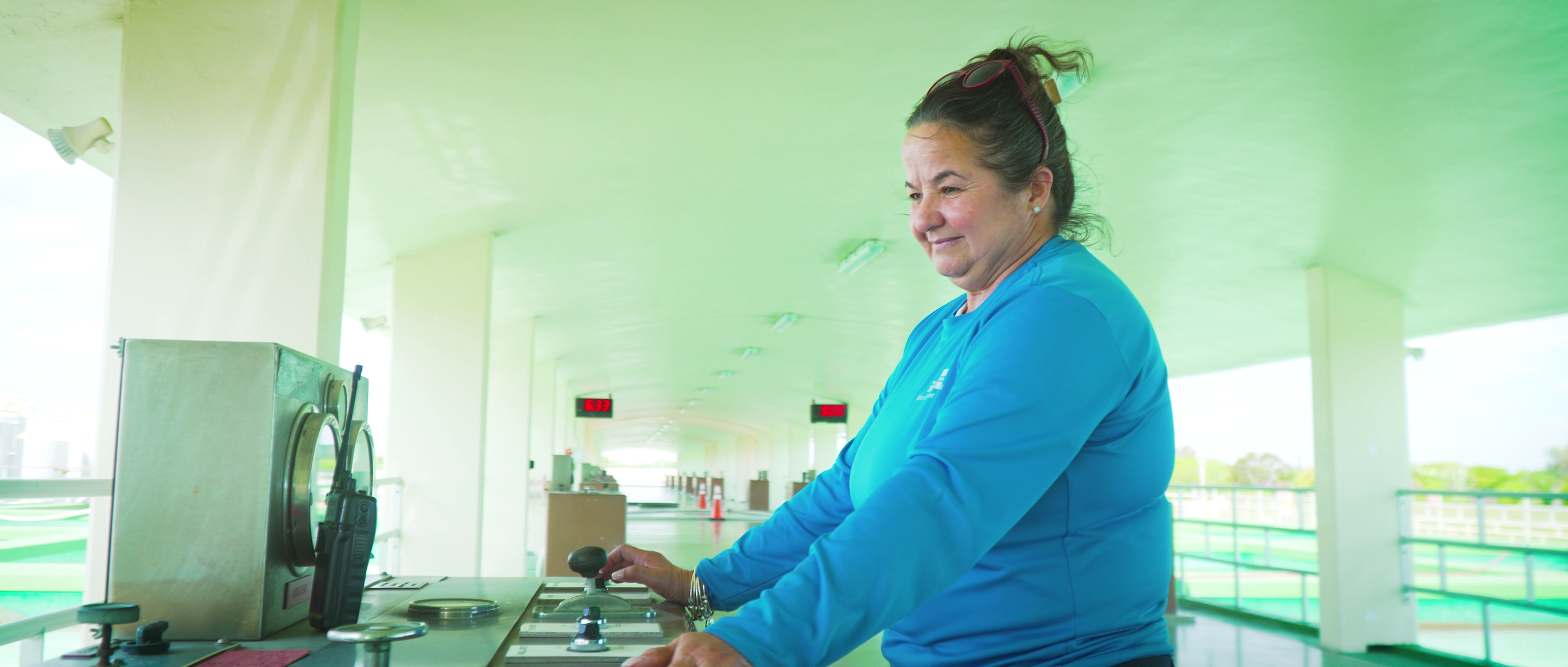
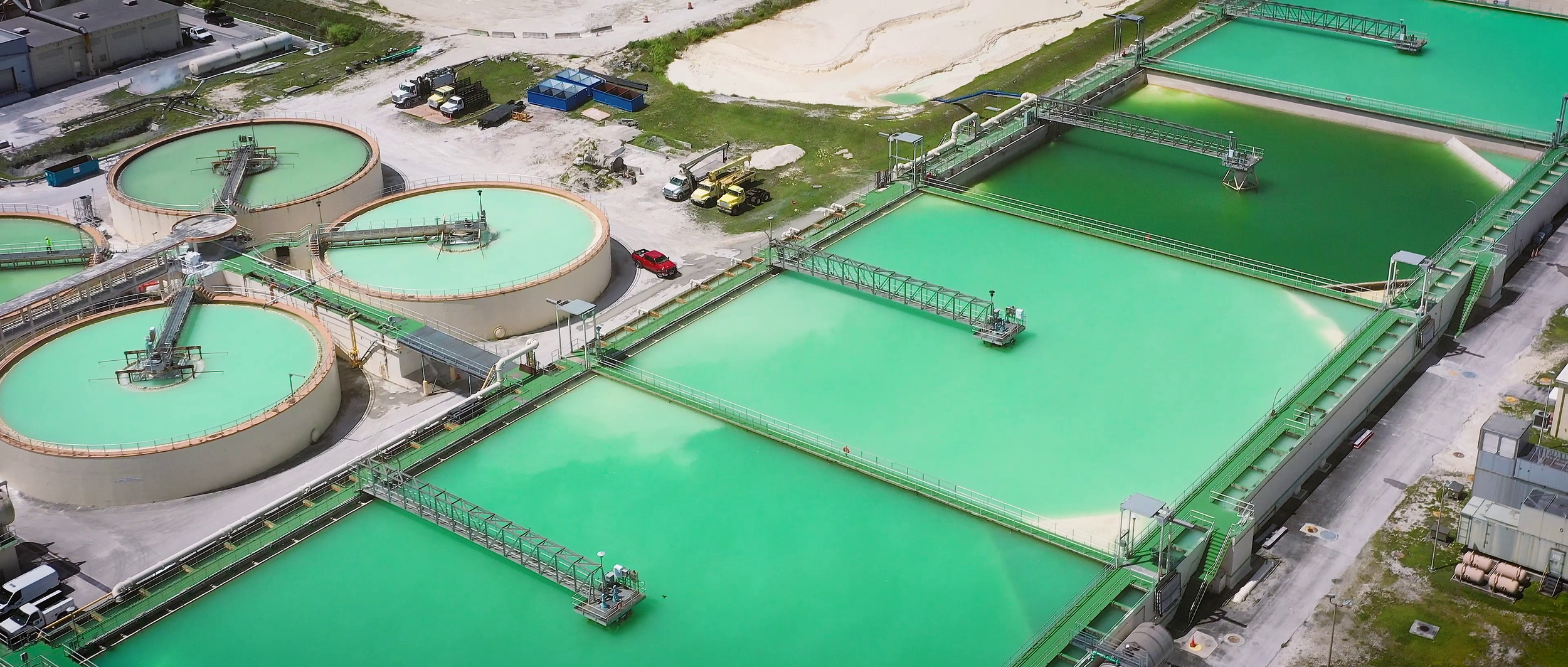
WASD operates one of the largest and most complex water and wastewater systems in the United States, serving nearly 3 million residents each day. The Department manages more than 14,000 miles of water and sewer pipelines, more than 1,000 pump stations, six water and wastewater treatment plants, and additional critical facilities that require constant operational oversight. Like other utilities of its size and scale, WASD faces challenges such as increased operational demand from population growth, changing environmental conditions, evolving regulatory requirements, and rising costs. Yet, WASD is fully committed to building and operating a utility that is future-ready: capable of providing safe, affordable, and reliable service for decades to come.
The challenge seeks solutions that optimize ongoing processes without the need for capital-intensive infrastructure and solutions that leverage data-driven operational insights, supported by the emergence of digital tools such as Large Language Models, Artificial Intelligence, and Agentic AI.
This challenge also seeks to support small businesses that historically have had a direct impact on WASD’s operations, including restaurants, cafés, or any food-service business in Miami-Dade County that generate Fat, Oils, and Grease (FOG) through its Discharge Control Permit. FOG has a significant impact on WASD’s wastewater infrastructure and operations, and that impact continues to grow as the number of restaurants and volume of FOG increases, making solutions that intercept, divert, or manage FOG entering WASD facilities advantageous.
Through this challenge, WASD hopes to enhance its role as a model utility of excellence in reliability, resilience, and environmental stewardship, and will further position the department as an essential partner in the protection of public health and the environment. Through the actions of continued infrastructure modernization, embedding advanced technologies, and rethinking waste streams as recoverable assets, WASD can serve as a national model for demonstrating how large urban utilities transition from linear service delivery systems to agile, adaptive, and responsive infrastructure networks.
Which Solutions Are We Seeking?
MDIA seeks innovators with solutions that are ready to be implemented in a pilot program setting that will enhance real-world operations. Examples can include, but are not limited to:
Solutions that capture or convert fats, oils and grease (FOG) from water and sewer infrastructure into renewable or circular economy products, such as biofuels.
Solutions that help manage, recover, or repurpose water treatment byproducts, such as biogas, lime residuals, and recyclables.
Digital tools that support water and sewer planning and maintenance, enhancing capacity to anticipate issues, plan infrastructure and asset maintenance, and respond to issues. Ideally, these tools should complement or integrate with existing sensor networks.
Systems that centralize data or optimize workflows, modernize or replace outdated practices, and enhance existing operations with intelligent or predictive systems.
How Does The Public Innovation Challenge Work?
Apply to submit your solution for an opportunity to receive a $100,000 equity investment and to test and validate your solution at the Water and Sewer Department (WASD).
Your company should have an existing product or MVP (minimum viable product) ready to be tested and validated in a commercial market setting.
Your company should be legally registered and compliant with all relevant regulations and laws in your respective jurisdictions.
We evaluate each application thoroughly through a multi-stage process involving subject matter experts and an investor-led selection committee. While there are no inflexible rules and guidelines, we generally consider factors such as the level of innovation, feasibility of the proposed solution, and potential for sustainable impact and scalability.
Check out our FAQ to learn more about eligibility criteria, requirements, and other important information.
Enroll in one of our virtual information sessions:
Wednesday, June 3, 3:30 PM ET: Watch Recording
Monday, June 22, 2:00 PM ET: Watch Recording
Tuesday, July 7, 11:00 AM ET: Watch Recording
Key Dates
Final Application Deadline: Saturday, July 25, 2026 at 11:59pm EST
Application Review (6-8 weeks)
Top 10 Finalist Interviews: ~September 2026
About MDIA
MDIA bridges the gap between private innovators and the public sector to fast track innovation that improves quality of life for residents. Through our signature Public Innovation Challenge, we identify, invest in and support early-to-growth stage companies from across the globe to pilot, test and validate their technology and solutions to pressing public challenges in collaboration with the economic engines within municipalities.
For more information, go to: https://www.mdia.miami/about